Keeping customers happy and business operations running leaves little time to question security assumptions. Let’s explore four cybersecurity myths that can undermine your defenses, and practical ways to address them.
Myth: Your Business Is Too Small to Be Targeted
Automated attacks scan for weaknesses across the internet, reaching businesses of every size. Attackers don’t need to recognize your company’s name to exploit an exposed account or outdated system. Start your small business cybersecurity efforts by identifying critical accounts and sensitive information, including email, payment systems, and customer records. Prioritize protecting those assets first.
Myth: Antivirus Is All You Need
Antivirus helps detect malicious software, but it doesn’t address every threat. A convincing email requesting confidential information may not contain any malware. Layered protection combines tools with everyday cybersecurity best practices:
- Install software updates promptly.
- Build employee awareness through security awareness training.
- Limit each person’s access to the systems and information their work requires.
The most prepared businesses take it a step further, backing their security tools with continuous monitoring and a defined process for investigating and responding to suspicious activity, whether it’s detected automatically or reported by an employee.
Myth: Strong Passwords Are Enough
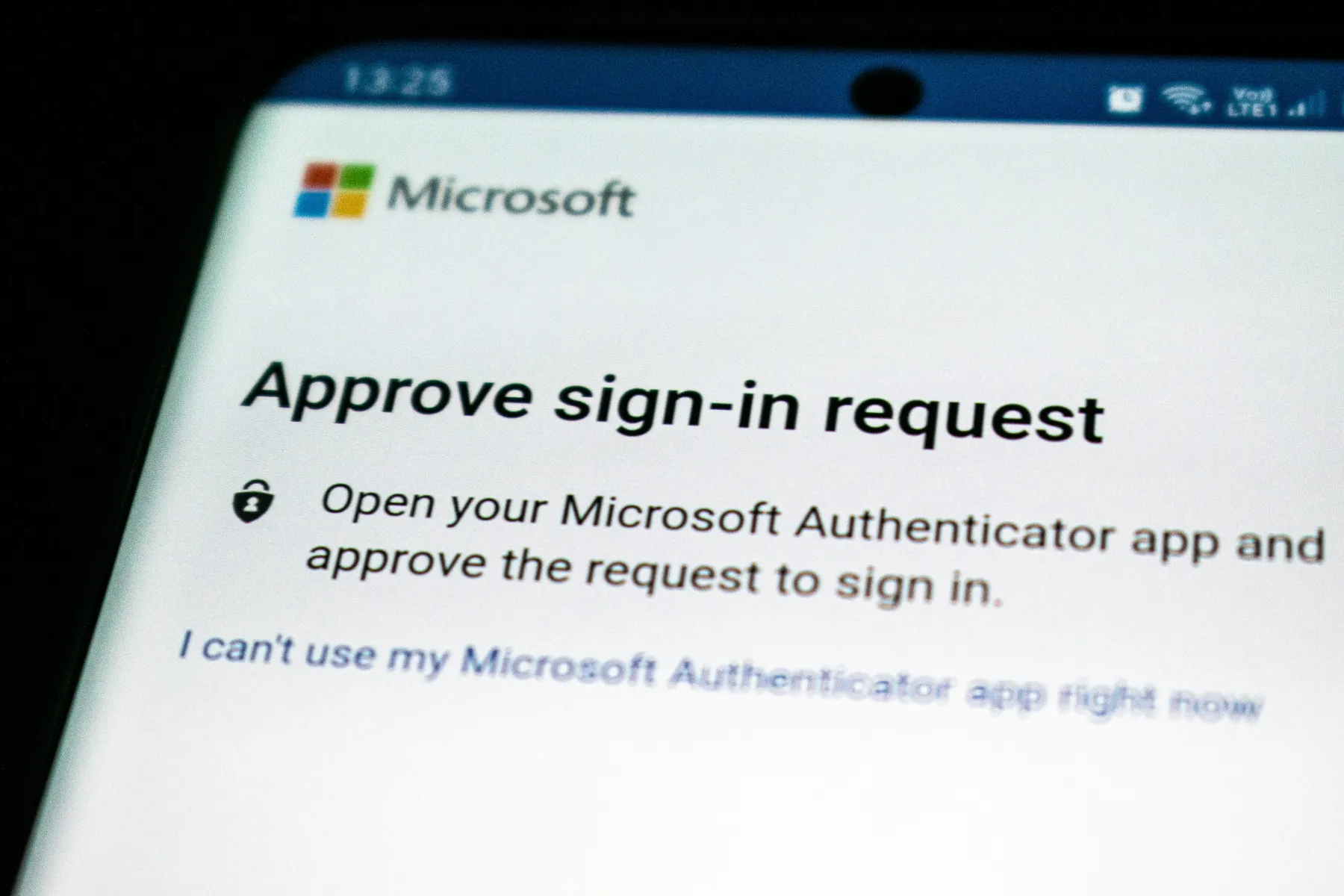
Even strong passwords can be stolen through deceptive sign-in pages or exposed when reused across services. Use unique passwords and a password manager to generate and store them. Enable multifactor authentication (MFA), which requires an additional verification step beyond your password. CISA recommends phishing-resistant MFA, such as a FIDO security key that won’t authenticate you on a fake sign-in page. Prioritize business email and administrator accounts, since they can provide access to other systems.
Myth: Backups Make Your Business Cyberattack-Proof
Backups support recovery, not prevention. They can restore files after an incident, but they can’t undo data theft or prevent stolen information from being shared. For stronger business data protection, keep backup copies isolated from everyday systems or protected against changes and deletion. Restrict access and regularly test restores. Confirm that you can recover essential files and applications within a timeframe your business can tolerate—not simply that a backup completed.
Ready to Review Your Defenses?
Effective cybersecurity requires ongoing attention to account security, software updates, threat monitoring, and recovery readiness. GSD Technologies can help you evaluate these areas and prioritize improvements based on your business’s risks and operational needs.
Share