Most businesses don’t think much about their IT systems until something breaks. Then suddenly, everything stops. Employees can’t work, customers can’t reach you, and operations quickly fall behind. That’s the real impact of IT downtime, and it’s often far more expensive than most business owners realize. Understanding the actual cost of downtime is the first step toward preventing it.
What is IT downtime?
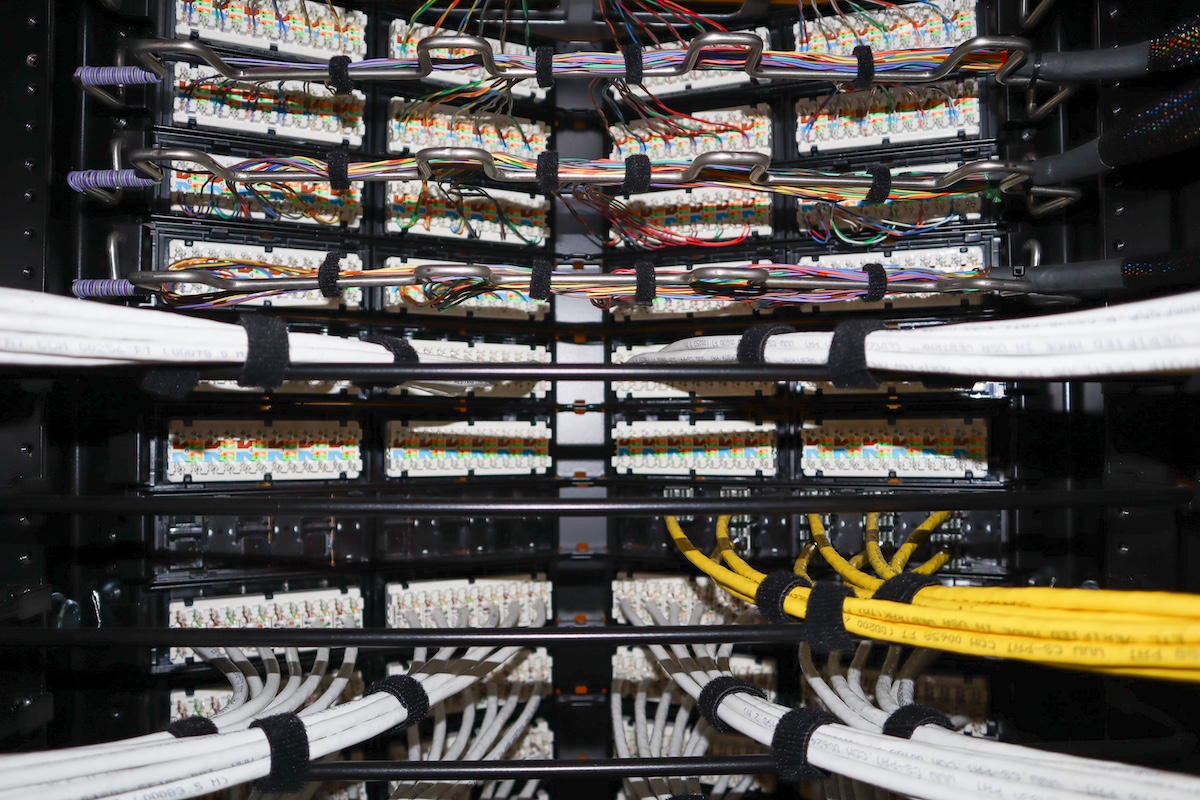
IT downtime happens when your technology stops working as it should. That can mean:
- A network outage
- A server failure
- Email going down
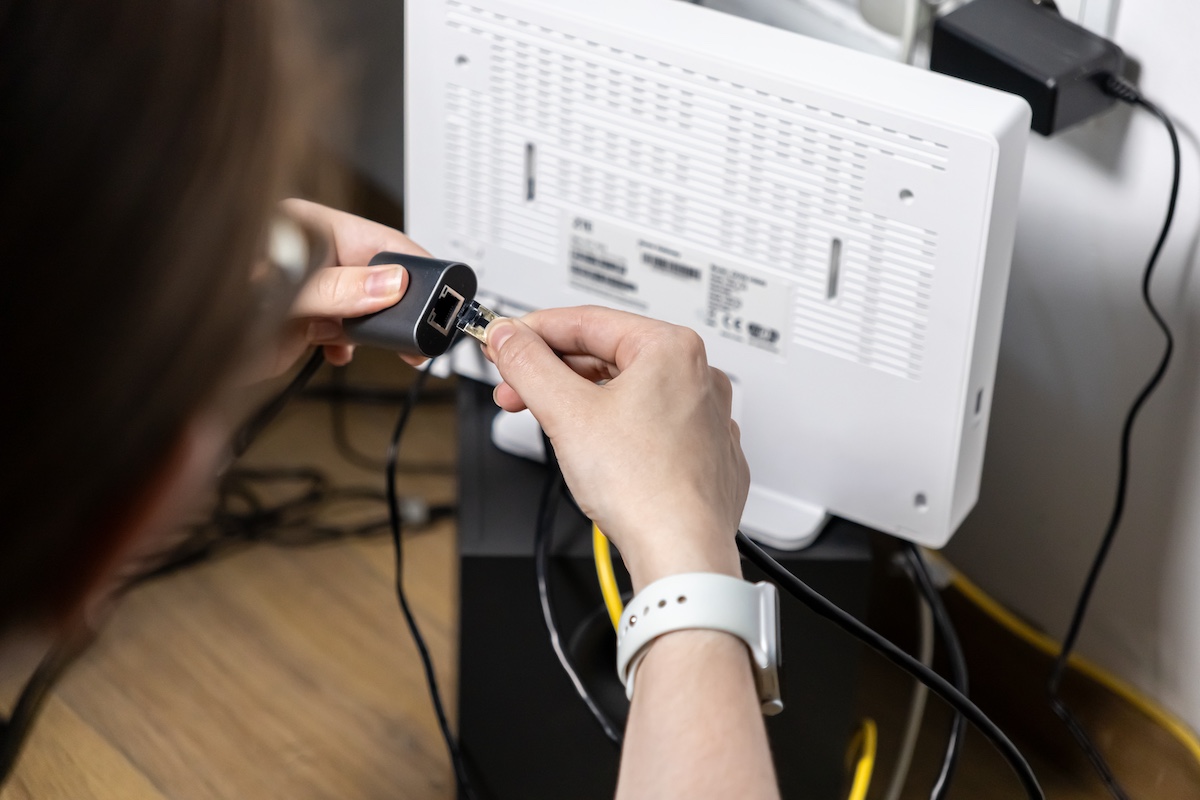
- Internet disruptions
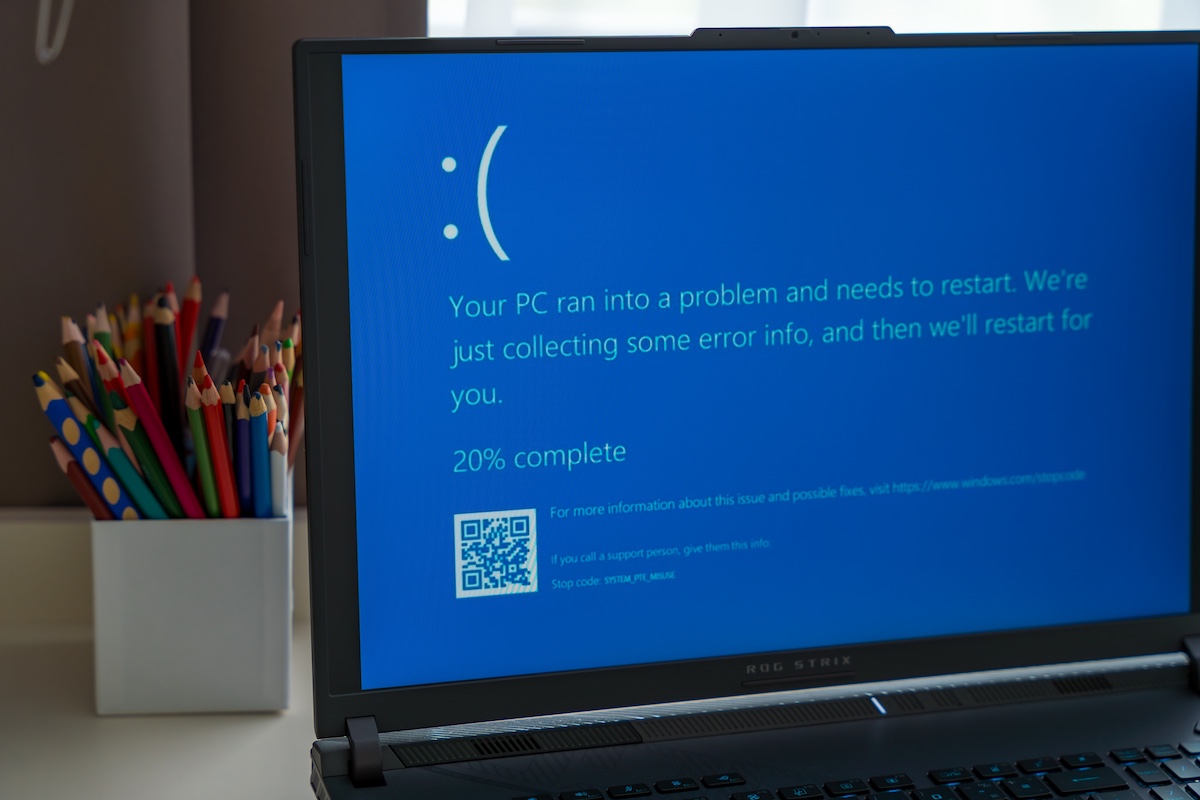
- Software crashing
- Hardware dying unexpectedly
Even minor interruptions, like a frozen computer or slow loading times, are forms of downtime. Downtime slows down growth. The more often it happens, the harder it becomes for your business to operate at its full potential.
Lost Productivity Adds Up Fast
When technology fails, employees can’t do their jobs. Work comes to a halt while your team members wait for systems to recover or try to troubleshoot problems themselves. A few minutes here and there might seem harmless, but they stack up quickly, especially if your systems are unreliable.
Every minute spent waiting on slow computers or broken tools is time not spent serving customers, completing tasks, or moving the business forward. Multiply that across your entire workforce, and the cost becomes significant.
The Effects of Downtime and Lost Productivity
Missed Revenue Opportunities
Downtime also impacts your revenue. Sales calls get dropped, forms won’t submit, online orders fail, and prospects move on. When your business isn’t reachable or responsive, customers notice. Even a short disruption during busy hours can mean losing deals you never get back.
Emergency Fixes Cost More
Some businesses try to save money by avoiding proactive IT maintenance. When something goes wrong, emergency fixes come at a high price. On-the-spot repairs, rushed replacements, and after-hours support cost significantly more than routine upkeep. Preventive maintenance helps stop minor issues from escalating into costly problems that interrupt operations and require urgent repairs.
Damaged Customer Trust
People expect businesses to be available and reliable. When your systems are down, customers may interpret that as disorganization or a lack of professionalism. Repeated downtime sends a message that your business can’t be counted on. Once that customer trust slips, it’s hard to regain.
Stress for Employees
When technology constantly breaks, employees feel the pressure. Deadlines shift, workloads grow, and frustrations rise. Over time, this leads to burnout, which in turn leads to turnover. Replacing employees is far more expensive than investing in reliable IT.
The Hidden Long-Term Impact
The cost of IT downtime doesn’t end when systems come back online. It creates ripple effects throughout the business:
- Delayed projects
- Missed deadlines
- Unhappy customers
- Lower team morale
- Lost momentum
- Greater vulnerability to future issues
IT downtime affects your productivity, your revenue, and the trust your customers place in your business. For small and mid-sized companies, even brief outages can create real setbacks. The most effective way to avoid these problems is through consistent maintenance and proactive IT support. When your systems stay reliable, your business can keep moving without unnecessary interruptions.
If you’re dealing with frequent disruptions or slow systems, it may be time to rethink your IT approach. GSD Technologies helps businesses reduce downtime with proactive monitoring, routine maintenance, and reliable support that keeps operations running. Our team is here to guide you toward a stronger, more dependable IT environment.
Share